
Contact Us

E-commerce & Online Business
How to Accept Online Payments on Your Website in Nepal (eSewa, Khalti & Fonepay Guide)
September 14, 2026
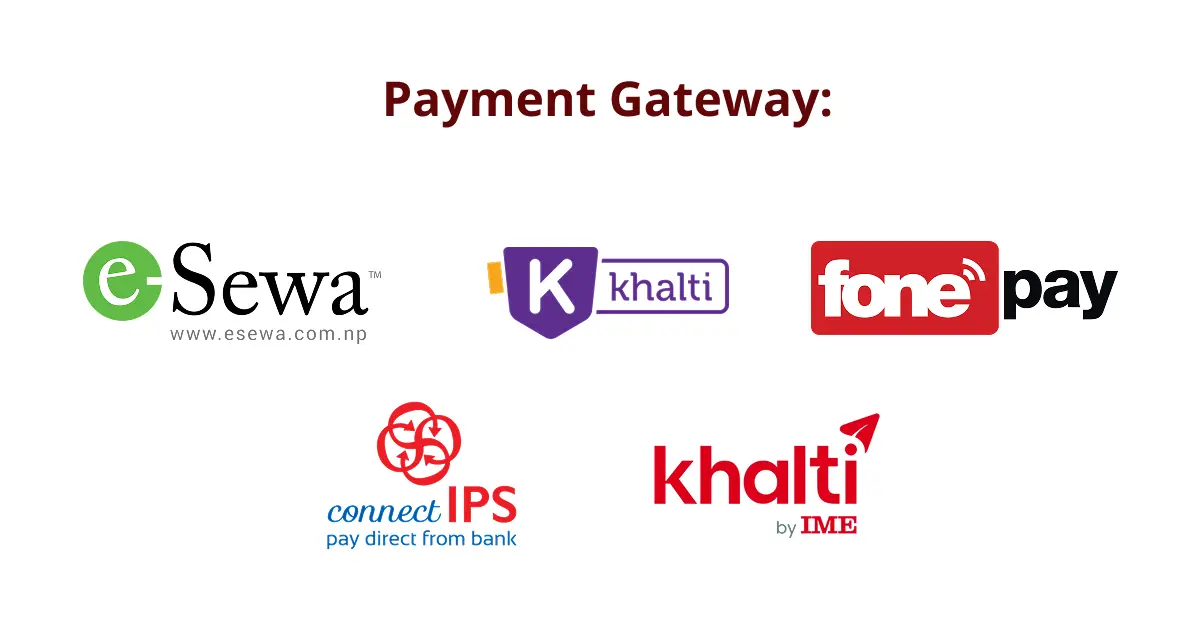
If you’re building or upgrading a website for your business in Nepal, you’ll hit this question fast: how do customers actually pay you online? Unlike markets where one or two payment processors dominate, Nepal has a handful of local options like eSewa, Khalti, Fonepay, and bank-based gateways, each with different setup requirements, fees, and integration paths.
Most of what’s written about this online is either developer documentation (too technical if you’re not a programmer) or scattered forum threads. This guide covers online payment integration in Nepal from the business owner’s side of the conversation: what each option is, what it costs, and how to think about choosing one.
Why This Decision Matters More Than It Seems
Picking a payment gateway isn’t just a technical checkbox – it directly affects how many visitors actually complete a purchase. If your checkout only supports a payment method your customer doesn’t use, they don’t switch apps to accommodate you, they simply abandon the cart. Supporting the right mix of options for your specific audience is one of the highest-impact, most overlooked parts of building an online store in Nepal.

The Main Options
Getting Started with Online Payment Integration in Nepal
- eSewa The most widely adopted digital wallet in Nepal, with strong brand recognition and a large existing user base. “Most businesses start their online payment integration in Nepal with eSewa simply because the widest number of potential customers already have it installed. Setup requires a verified merchant account, and integration is typically handled through their official API or through a plugin if you’re on WordPress/WooCommerce or Shopify.
- Khalti Khalti’s user base has grown quickly, particularly among younger, urban customers, and its merchant dashboard and API documentation are generally considered straightforward for developers to work with. Many businesses run eSewa and Khalti side by side rather than choosing one over the other, since they tend to reach slightly different customer segments.
- Fonepay Fonepay for online store setups works a bit differently. It’s built around connecting to customers’ existing bank accounts and QR-code based payments rather than a standalone wallet balance. This makes it a strong option for customers who prefer paying directly from their bank rather than topping up a separate wallet app.
- Bank Gateways / Cards For higher-ticket purchases or customers who prefer card payments, integrating directly with a bank’s payment gateway or a card processor is worth considering — though these often involve more paperwork and stricter approval requirements than the wallet-based options above.
What Integration Actually Involves
For most small-to-medium business websites, integration follows a similar path regardless of which gateway you pick:
- Merchant account setup: You register directly with the payment provider (eSewa, Khalti, etc.) and go through their verification process, which usually requires business registration documents and a bank account.
- API credentials: Once approved, you receive API keys/credentials that connect your website to their payment system.
- Developer integration: A developer connects these credentials to your website’s checkout flow, whether that’s a WooCommerce plugin, a Shopify app, or custom code for a fully custom-built site.
- Testing: Every gateway provides a sandbox/test mode so transactions can be verified before going live, which matters – you want to catch issues before a real customer’s payment fails.
- Going live: Once testing passes, the integration is switched to live mode and starts processing real transactions.
Timelines vary, but a straightforward single-gateway integration on an existing WooCommerce or Shopify store is often achievable within a few days once merchant approval comes through, the merchant verification step with the provider itself is usually the longer part of the process, not the technical build.
Common Mistakes Businesses Make Here
- Only supporting one gateway. If your target customers are spread across eSewa and Khalti users, supporting only one cuts off a meaningful chunk of potential buyers before they even reach checkout.
- Skipping the test phase. A payment integration that “looks” like it works in a quick manual check can still fail under real conditions, different card types, network interruptions, or edge cases in order amounts. Proper sandbox testing catches this before it costs you a real sale.
- Treating it as a one-time setup. Payment gateway APIs get updated, and compliance/security requirements change over time. A “set it and forget it” integration can quietly break or fall out of compliance months later without anyone noticing until a customer complains.
- Not checking transaction fees carefully. Each provider structures its fees differently, and they can change. Confirm current rates directly with the provider before assuming an older quote or blog post still applies.

Which One Should You Actually Choose?
There’s no universally “best” gateway — it depends on your customers. A few honest starting points:
- If you’re a general consumer-facing store, eSewa and Khalti together cover the largest combined share of digital wallet users in Nepal.
- If your customers skew toward direct bank transfers or QR-based payment habits, Fonepay is worth adding alongside a wallet option.
- If you sell higher-value products or serve customers who prefer cards, a bank/card gateway fills a gap the wallets don’t cover well.
Most established Nepali online stores end up running two or three of these side by side rather than picking just one – the added development work is a one-time cost, while a missing payment option is a recurring, invisible loss of sales.
Frequently Asked Questions
1. Can I add eSewa and Khalti to a WooCommerce store?
Yes, both have official or well-supported plugins for WooCommerce that handle most of the integration without custom development, though a developer should still configure and test them properly.
2. Does Shopify support Nepali payment gateways?
Shopify’s native payment options are limited for Nepal, so most Nepali Shopify stores integrate local gateways through apps or custom checkout solutions rather than Shopify Payments directly.
3. How long does payment gateway approval take?
This varies by provider and depends on how complete your business documentation is, it’s worth applying early in your website project rather than waiting until development is finished.
4. Is it expensive to integrate multiple payment gateways?
Adding gateways incrementally (starting with one, adding a second later) is usually more cost-effective than trying to build all integrations simultaneously, and lets you validate demand before investing further.
Not sure which online payment integration in Nepal fits your business? Talk to Ikran Innovation – we handle payment gateway integration as part of our WooCommerce, Shopify, and custom website development services.